


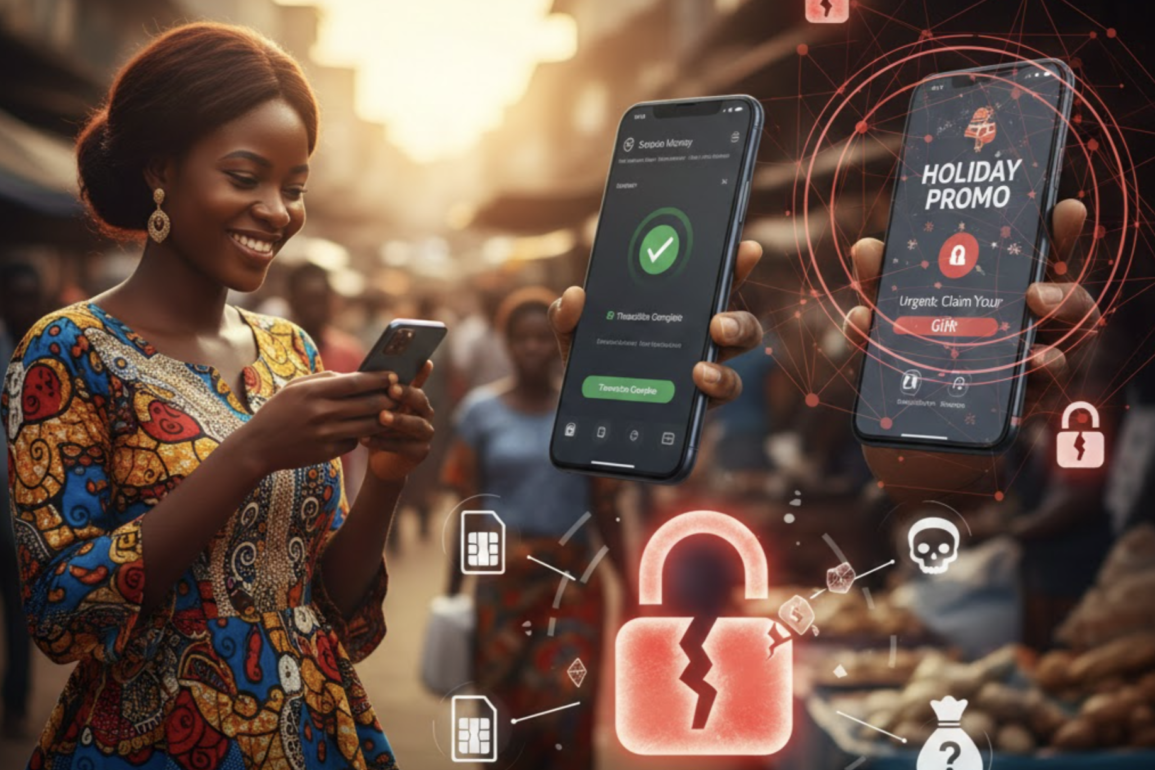
The festive season across Africa is a period marked by heightened generosity, celebration, and familial connection. It is also the peak time for cross-border remittances, as funds flow back home and to loved ones.
In 2024 alone, the continent processed an estimated $81 billion in mobile transactions, with transfers reaching their highest volume in December.
But as this digital lifeline expands, so does the risk of financial attack. The surge in goodwill and urgency surrounding the holidays creates the perfect environment for sophisticated cyber threats to thrive.
Millions of users are at risk from phishing scams disguised as holiday promotions, SIM-swap fraud targeting accounts with large balances, and social engineering attacks that exploit the cultural pressure and speed of seasonal giving.
“Trust in mobile money doesn’t happen instantly – it’s built one safe transaction at a time,” says Allan Juma, Cybersecurity Engineer at ESET Africa. “But a single fraud incident can shatter that trust overnight. When someone gets scammed, they often stop using mobile money altogether, and warn friends and family to do the same, creating a ripple effect that stalls progress for everyone.”
A critical issue is the failure of many mobile money platforms to upgrade their security infrastructure at the pace users have adopted the technology.
Unlike the robust defenses of most traditional banking apps, many popular mobile services still rely on simple four-to-six-digit PINs instead of more advanced, multi-layered authentication and encryption. This vulnerability allows cybercriminals to more easily intercept data, hijack accounts, and steadily erode the consumer confidence that has driven the continent’s digital revolution.
“Closing these security gaps can’t wait,” says Juma. “During the festive season, mobile money becomes Africa’s lifeline for celebration. Cross-border transfers surge, as city workers send money home to rural families. Cultural expectations around festive giving make users respond quickly to urgent requests and cybercriminals are quick to exploit this. Tools like AI-driven fraud detection, multi-layer authentication, and real-time monitoring can help catch these threats in real-time, keeping users safe during the busiest and most vulnerable period.”

Consumer awareness forms a crucial second layer of defense. Simple steps like enabling two-step verification can protect funds intended for holiday spending.
Users are urged to remain vigilant for red flags: unexpected messages requesting their PIN, calls or texts claiming to be relatives in urgent need, or “exclusive deals” requiring personal information.
When seasonal urgency meets sophisticated cybercrime tactics, taking a moment to verify any unusual request is often the simplest and most effective way to secure funds and peace of mind.
“The festive season reveals both the strength and fragility of Africa’s mobile money ecosystem,” says Juma. “Millions depend on these platforms for their most important transactions of the year, yet the very factors that make mobile money essential – accessibility, speed, convenience – also make it vulnerable. Progress depends on closing that gap. Security can’t be an afterthought that platforms address only when attacks spike, and users can’t assume their money is protected without taking active steps themselves. Building a truly secure digital financial future means taking responsibility shared by all parties.”