

In classrooms across Kenya and much of Africa, the promise of education technology has often collided with the realities of daily life. Many digital tools are designed for schools with stable internet, predictable schedules and families who can afford fees. For millions of children in informal settlements, remote villages or displacement camps, that model rarely holds.
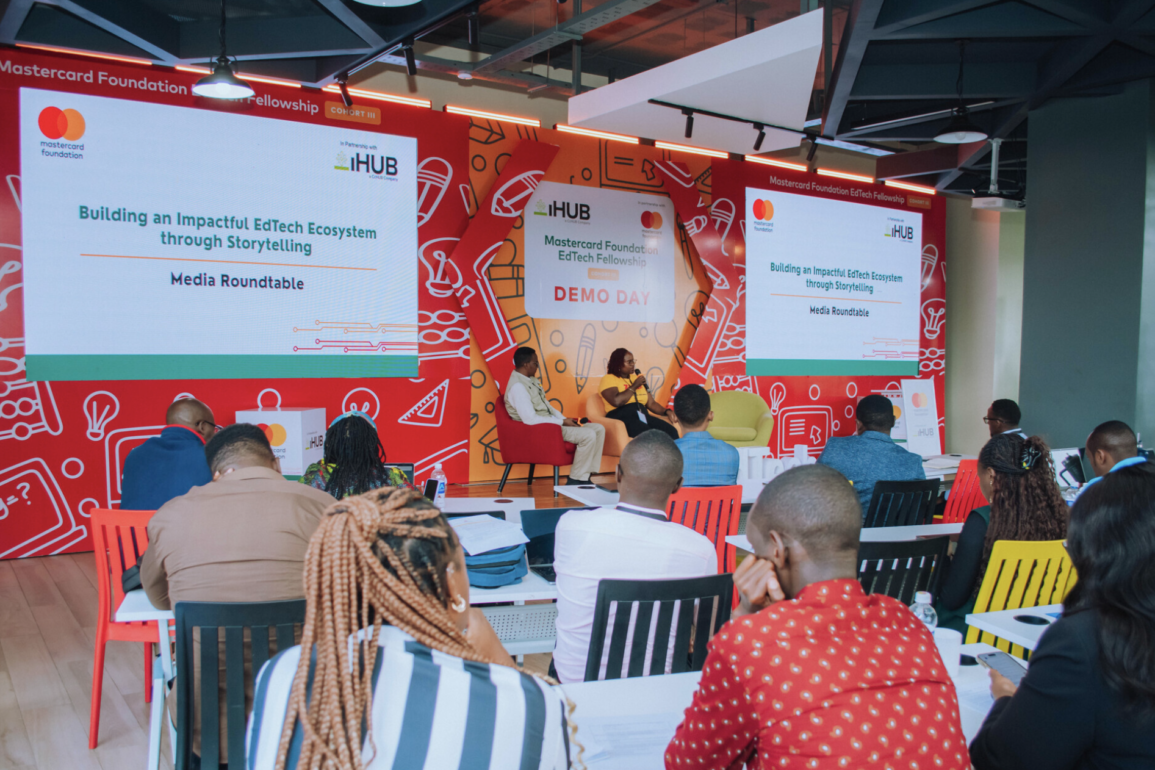
On Thursday, Nairobi based innovation hub iHUB announced that it has opened applications for the fourth cohort of the Mastercard Foundation EdTech Fellowship in Kenya, a program aimed at startups building tools for learners who are typically left out of the digital education boom. The initiative is run in partnership with the Mastercard Foundation.
The fellowship will select 12 early stage Kenyan startups developing products intended to expand access to education and improve learning outcomes for underserved learners. The chosen companies will take part in a 12 month structured acceleration program that includes mentorship, technical support, connections to ecosystem partners and $100,000 in equity free funding. The goal is to help founders refine their products, strengthen implementation readiness and position their companies for sustainable growth.
Applications are open from Feb. 27 to April 10, 2026, through iHUB’s Future of Learning platform.
Organizers say the new cohort reflects a shift in focus. Much of African education technology to date has targeted relatively stable learning environments. Yet the areas that matter most for inclusion such as disability access, disrupted schooling, girls’ participation and retention, and the use of practical education data often come with higher costs and slower adoption.
Cohort 4 is structured around four priorities: solutions for learners with disabilities; tools for displaced, conflict affected and remote communities; gender inclusive education technology; and data systems designed to fit real school workflows and inform decision making.

The emphasis, according to the organizers, is on founders building for everyday constraints. In many parts of Kenya, infrastructure is limited, schooling pathways are interrupted and families move frequently in search of work or safety. The fellowship is seeking teams that can demonstrate that inclusive design does not dilute impact but strengthens education systems for all learners.
Since its launch, the Mastercard Foundation EdTech Fellowship has supported 72 companies across Africa. Those firms have collectively reached more than 600,000 new learners, with participation split nearly evenly by gender, 49 percent female and 51 percent male.