


Across America, a trillion-dollar infrastructure boom looms—data centers, factories, power plants, critical minerals. Yet projects now take longer and cost more than in the 1960s.
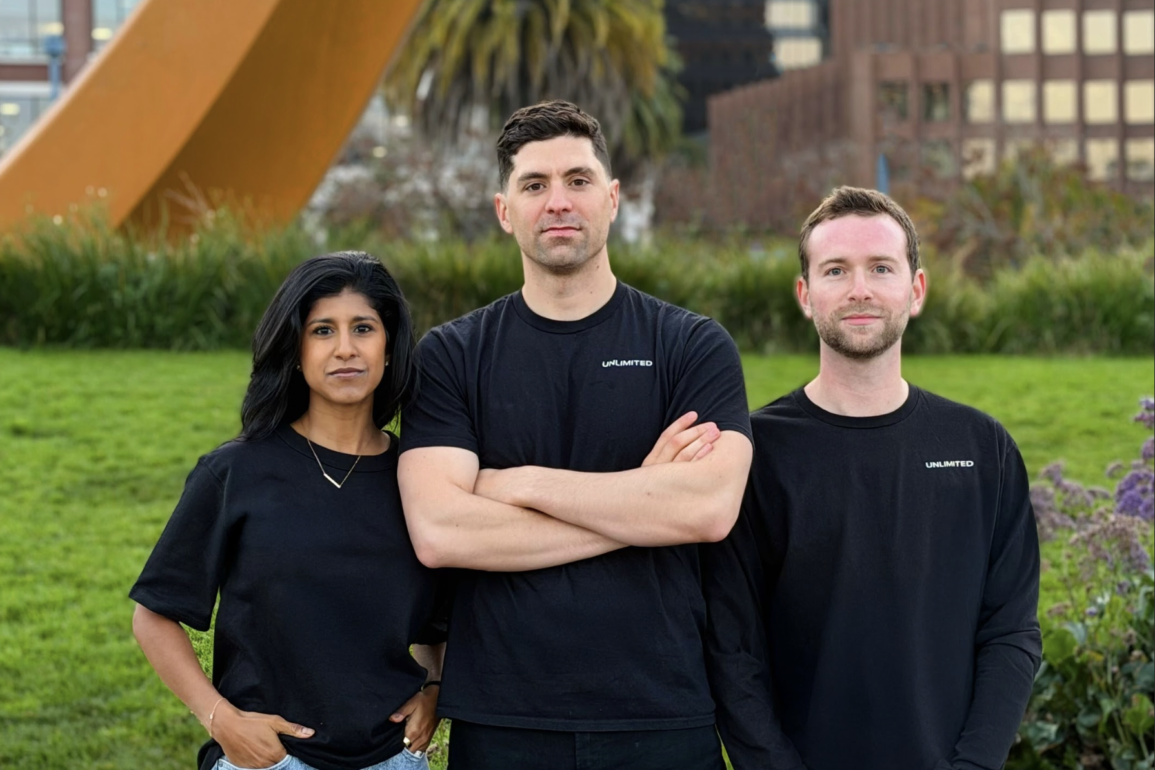
Enter Unlimited Industries, a San Francisco startup merging AI design with hands-on building. It just raised $12 million in seed funding, co-led by Andreessen Horowitz and CIV. But does this “AI-native” model truly crack construction’s code?
The Crisis: Why Can’t We Build Anymore?
America needs to erect unprecedented scale: AI-hungry data centers, advanced manufacturing hubs, energy grids for electrification. McKinsey estimates $3 trillion in investments by 2030, yet productivity has flatlined since the 1970s.
Cost-plus contracts reward delays; siloed engineers hoard data; change orders balloon budgets 30-50%. Alex Modon, Unlimited’s co-founder and CEO—a repeat founder turned engineer—stumbled into this on a Texas project: months became years amid manual drudgery.
“Advances in AI mean we can finally build the physical world the way we build software,” Modon said. “The traditional construction model is slow, brittle, and fundamentally misaligned. Our approach replaces static design choices with a dynamic, data-driven process that learns from every project. The result is faster, cheaper, and more successful projects.”
Modon’s epiphany: AI’s parallel processing—spitting out thousands of designs overnight—could dynamite bottlenecks. Teaming with Tara Viswanathan and Jordan Stern (ex-Rupa Health, acquired 2024), Unlimited emerged in 2025 as a vertically integrated beast: AI platform plus its own engineers and crews. No more handoffs. Fixed-price deals tie pay to outcomes, not hours billed. Katherine Boyle of Andreessen Horowitz calls it “a paradigm shift, turning design and build into a rapid and continuous optimization problem. This is exactly the kind of innovation needed to restore America’s ability to build ambitious infrastructure at scale.”
Does It Work? Early Proof in the Trenches
Skeptics abound: AI excels at pixels, not rebar. Construction grapples with physics—soil variability, weather whims, union rules. Unlimited counters with results. On one industrial gig, pre-construction engineering shrank from six months to weeks, greenlighting shovels sooner. Another: AI sifted 10,000+ configs, slashing capex 50%.
Forbes reports projects valued $250-500 million, from century-old publics to energy upstarts. The platform learns per job, refining cost models and safety checks. Abhijoy Mitra of CIV notes: “The only way to have our existing workforce meet this moment is to amplify their impact with the latest advancements in AI. Unlimited is building the platform to accomplish this at scale today.”

Unlimited’s broader mission is to rebuild America’s capacity to build, turning industrial construction into an agile, software-driven process that keeps pace with the country’s most ambitious goals. By aligning technology, talent, and incentives around outcomes instead of process, the company hopes to chart a new path for how infrastructure gets built – one that makes speed, adaptability, and abundance the standard for America once again.
Yet questions linger. Scaling AI demands proprietary data—Unlimited’s seven-person team (eyeing triple-size hires) must feed it Texas dirt realities. Fixed-price risks overruns if models falter; traditional firms profit from flux. And labor? AI might deskill trades amid shortages.
Modon insists iteration stays free: “We make changes all the time… Iteration should be a natural part of the process, not a revenue-generating event.” Starting with power for data centers and minerals, Unlimited eyes full automation. But can software conquer steel’s chaos?